5 Things to Know About the Fortnite Reload Zero to Unreal Speedrun After the Rank Reset
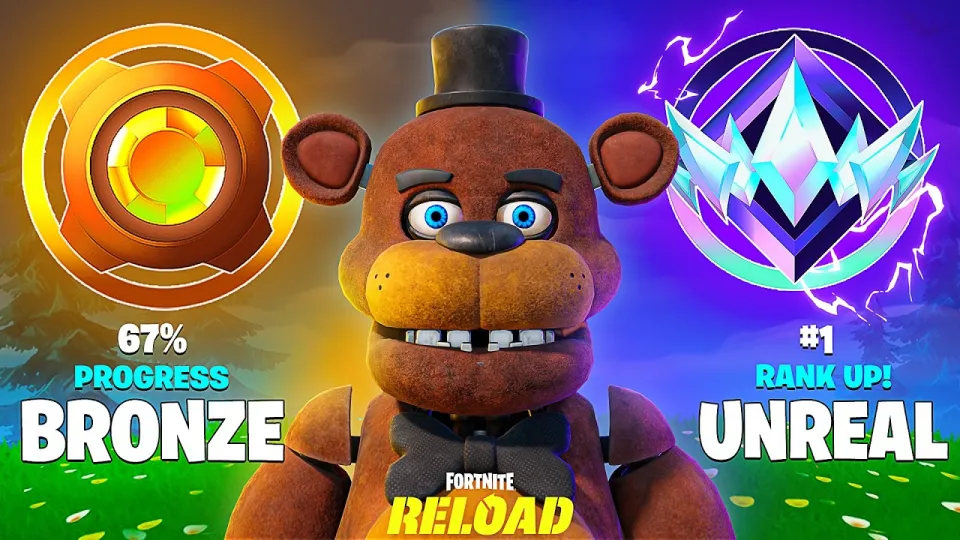
Video: I Played 24 HOURS for UNREAL! (Reload Speedrun on Day 1)
Need articles like this for your video? They help promote it on YouTube and Google — order them in the Telegram bot @sat_sit_bot. It writes articles around your video, embeds the video and publishes them on popular niche websites (no ads). Your first 50 articles are free.
· based on the channel TG Plays
Key takeaways
- Reload ranks reset, sending every player back to zero before the climb to Unreal begins.
- Unreal is the top tier of the Fortnite Reload ranked ladder and requires sustained placement at the top of the lobby.
- A full zero-to-Unreal push in Ranked Reload was attempted in a single 24-hour session on reset day.
- The first hours after a reset produce the toughest lobbies because high-skill players are still climbing from the bottom.
- Reload is a faster-paced mode than standard Battle Royale, so more matches fit into a fixed play window.
Fortnite Reload ranks reset, and the fastest way to understand the climb is to watch a zero-to-Unreal push attempted inside a single 24-hour window. The grind starts at the bottom of the ladder, runs through placement matches and point-based thresholds, and ends only when the Unreal badge appears. Creator maps and updates from the player behind the run are listed at Typical Gamer's Fortnite creator page, where you can follow the profile and catch new map releases first.
The video breakdown from TG Plays follows that attempt from the first match after the reset to the final rank screen, and it doubles as a practical map of how Ranked Reload actually rewards players.
How the Fortnite Reload ranked reset changes the ladder
A rank reset wipes visible progress and drops every account back toward the starting tiers, so the ladder briefly compresses the whole skill range into the same lobbies. Because Reload matches are shorter than standard Battle Royale matches, players cycle through games faster and the points swing harder in both directions. The practical effect is that the first day after a reset is the least predictable the mode ever gets: a strong player can climb several tiers in a few hours, while a bad streak can stall progress just as quickly. Anyone planning a push should treat the reset day as a sprint, not a marathon, because the lobby quality changes hour by hour as the top players separate from the pack.
What separates Unreal from the tiers below it
Unreal sits at the top of the Fortnite ranked pyramid, above Elite and Champion, and it is not a fixed point total you can simply grind out against weak opponents. Reaching it requires consistent high placements plus elimination points, and the system keeps demanding results even as the competition sharpens. In Reload specifically, the smaller squad format means every fight matters more: a single early wipe can end a match before the placement bonus is earned, while a patient rotation into the final circles protects the points you already have. The gap between Champion and Unreal is less about raw mechanical skill and more about decision-making under pressure across dozens of consecutive matches.
The 24-hour zero-to-Unreal format
The run in the video is a day-one speedrun: start from the reset baseline, play Ranked Reload continuously, and stop only when Unreal is reached. That structure exposes things a casual session hides, such as how fatigue affects aim in the late hours and how much a single bad match costs when you are close to a threshold. Speedruns of this kind also depend on queue discipline, because re-queuing immediately after a rough game is often worse than taking a short break to reset focus. Viewers who have tried the same challenge consistently report that the final stretch is the hardest part, since the last percentage points to Unreal arrive against the strongest remaining lobbies.
Practical tips for climbing Ranked Reload faster
- Land in a contested but familiar area so early fights are predictable rather than random.
- Prioritize placement points first and eliminations second; a top-five finish with two kills usually beats an aggressive sixth-place wipe.
- Play in short blocks with a break between them, especially after two losses in a row.
- Track your points after every match so you know exactly how far you are from the next tier instead of guessing.
- Queue with players at or above your rank when possible, since coordinated reloads and revives decide close endgames.
These habits matter more right after a reset, when the lobby mix is chaotic and small edges compound quickly.
Why ranked Reload feels harder this season
Ranked Reload has a reputation for being sweatier than the standard playlist, and the reset amplifies that reputation. The mode's revive-and-reload loop rewards teams that communicate, so solo queue players frequently run into coordinated squads. On top of that, the Fortnitemares period brings seasonal changes and a surge of returning players, which thickens the middle of the ladder and makes the climb from the bottom slower than the tier names suggest. The result is a playlist where the average opponent is more competent than their visible rank implies during the first days after a reset.
All the links from the video
- Typical Gamer's Fortnite creator page — follow the profile for new maps and updates.
- JOGO studio page — the studio behind the custom Fortnite games.
- Typical Gamer Discord — community chat and squad finding.
- Twitter and Instagram — social updates.
The takeaway from the Reload speedrun
A zero-to-Unreal run after a rank reset is the clearest stress test of a Fortnite player's consistency, because it removes the cushion of an already-earned rank and forces results against a compressed ladder. The attempt covered in this breakdown shows that placement discipline, short breaks and point tracking matter more than highlight-reel eliminations when the goal is the top tier. It also confirms that the first day after a reset is the best and worst time to climb: the points move fast, but so does the competition. TG Plays documented the full session, and the creator page linked above is the place to start if you want to try the maps from the video yourself.
Source: I Played 24 HOURS for UNREAL! (Reload Speedrun on Day 1) · Markdown version
Questions & answers
How long does it take to reach Unreal in Fortnite Reload after a rank reset?
There is no fixed time, because points per match depend on placement, eliminations and the strength of the lobby. A dedicated player grinding Ranked Reload continuously can move several tiers in a single day, but the final push to Unreal usually takes dozens of matches against increasingly strong opponents.
Is Ranked Reload harder than normal ranked Battle Royale?
Many players find it sweatier, mainly because the smaller format and revive mechanic reward coordinated teams. After a rank reset, the lobby mix is also more chaotic, so the average opponent can feel stronger than their displayed tier suggests.
What happens to my rank when Reload ranks reset?
Visible progress is wiped and every account drops back toward the starting tiers. You then climb again through placement matches and point thresholds, which is why the first day after a reset produces unusually stacked lobbies.
Can you reach Unreal solo in Fortnite Reload?
It is possible but slower. Solo queue players face coordinated squads often, so protecting placement points and avoiding early fights tends to be more reliable than chasing eliminations for the highlight reel.